
generate realistic human voices with surprising accuracy. AI voice cloning tools can recreate a person’s speaking style from a short audio sample, opening up new possibilities for content creation, accessibility, education, and business communication.
At the same time, these technologies raise important ethical and legal questions. While voice cloning can save time and improve user experiences, it can also be misused for impersonation, scams, or misinformation.
This guide explains how AI voice cloning tools work, where they are useful, their limitations, and how to use them responsibly.
What Are AI Voice Cloning Tools?
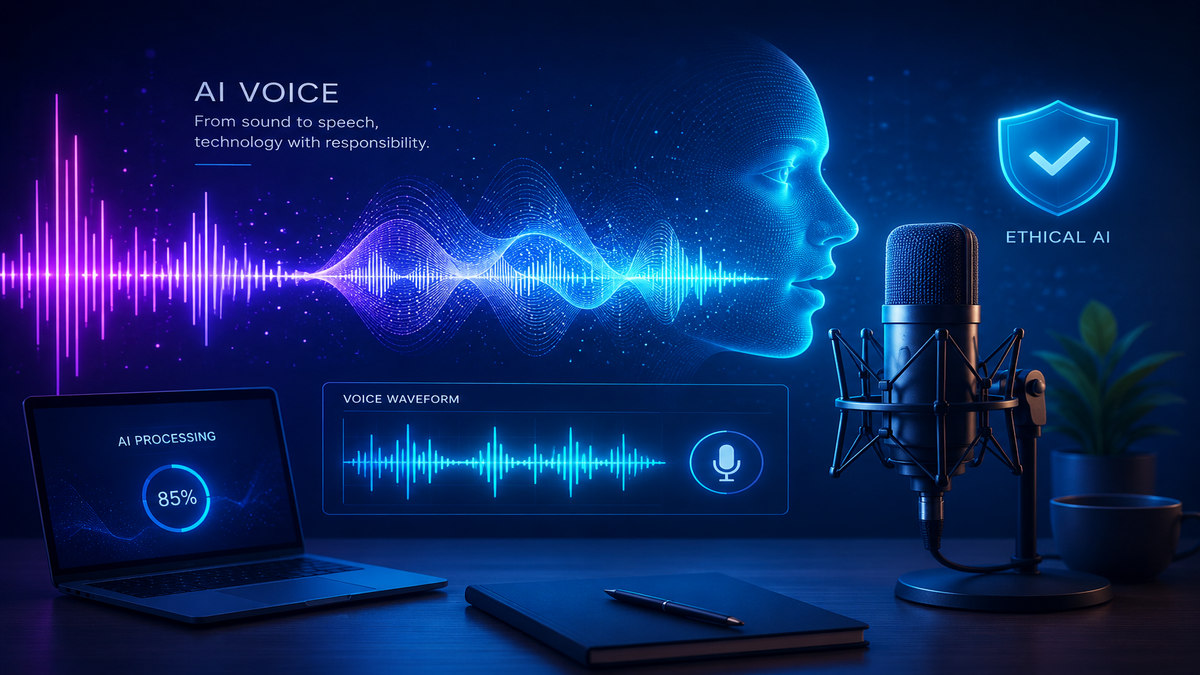
AI voice cloning tools use machine learning models to analyze speech patterns, pronunciation, tone, rhythm, and vocal characteristics. After processing voice samples, the software can generate new speech that sounds similar to the original speaker.
Unlike traditional text-to-speech software, modern AI voice cloning focuses on reproducing the unique characteristics of an individual’s voice.
Many platforms also allow users to generate speech simply by typing text, making content production faster and more accessible.
How AI Voice Cloning Works
Although every platform uses different technology, the general process includes:
- Upload or record voice samples.
- The AI analyzes vocal characteristics.
- A voice model is created.
- Users type new text.
- The AI generates speech using the cloned voice.
Many services now include safeguards such as identity verification or consent requirements before creating highly realistic voice models.
Key Features and Benefits
Natural-Sounding Speech
Modern AI can produce speech with realistic pacing, pronunciation, and emotional expression.
Faster Content Creation
Creators can generate voiceovers without recording every update manually.
Multilingual Support
Some tools can recreate voices across multiple languages while preserving a similar speaking style.
Accessibility
Voice cloning can help people who have lost their ability to speak communicate using a voice that resembles their own, when developed with appropriate consent and medical guidance.
Consistent Brand Voice
Businesses can maintain consistent narration across training videos, tutorials, podcasts, and customer support materials.
Real-World Use Cases
AI voice cloning tools are increasingly used across different industries.
Content Creation
YouTubers, educators, and podcasters can produce narration more efficiently.
Online Learning
Educational organizations create voiceovers for training materials and language learning content.
Audiobooks
Publishers can speed up audiobook production while maintaining narration consistency.
Customer Service
Some businesses use AI-generated voices in automated phone systems and virtual assistants.
Accessibility and Healthcare
With proper permission, voice cloning may help individuals preserve a familiar voice before medical treatments that could affect speech.
What AI Voice Cloning Tools Can’t Do Ethically
Despite their impressive capabilities, AI voice cloning has clear ethical boundaries.
They Should Not Be Used Without Consent
Creating a clone of someone else’s voice without permission may violate privacy rights, platform policies, or local laws.
They Should Not Be Used for Fraud
Using cloned voices to impersonate family members, coworkers, public figures, or businesses can contribute to scams and deception.
They cannot Replace Human Judgment
Even realistic AI-generated speech may misunderstand context, emotion, or nuanced communication. Human review remains important, especially for sensitive content.
They Are Not Perfect
Generated speech may occasionally sound unnatural, mispronounce names, or struggle with complex emotional delivery.
Pros and Limitations
Advantages
- Speeds up voice content production
- Supports accessibility applications
- Creates consistent narration
- Reduces repetitive recording work
- Supports multiple languages on many platforms
Limitations
- Ethical concerns require responsible use
- Quality depends on the training audio
- Some tools require paid subscriptions
- Legal requirements vary by country
- AI may mispronounce specialized terms
Tips for Getting the Best Results
Use High-Quality Recordings
Clear audio with minimal background noise usually produces better voice models.
Obtain Proper Consent
Only clone voices when you have the legal right and explicit permission to do so.
Review Every Output
Listen carefully before publishing to catch pronunciation or factual errors.
Be Transparent
When appropriate, disclose that the audio was generated or enhanced using AI.
Follow Platform Policies
Different AI providers have different rules regarding voice cloning and commercial use.
Popular AI Voice Cloning Alternatives
Several companies offer AI voice generation and cloning features.
- ElevenLabs
- Resemble AI
- PlayHT
- Speechify Studio
- Microsoft Azure AI Speech
- Google Cloud Text-to-Speech (custom voice options)
- Amazon Polly (selected enterprise features)
Each platform differs in pricing, supported languages, editing capabilities, and consent requirements. Review their documentation before choosing a solution.
Choosing the Right AI Voice Cloning Tool
When comparing AI voice cloning tools, consider:
Voice Quality
Look for natural pronunciation and expressive speech.
Privacy Controls
Choose services that clearly explain how voice data is stored and protected.
Language Support
If you create multilingual content, verify available languages and accents.
Commercial Licensing
Check whether generated voices can be used in business projects.
Ease of Use
Beginners often benefit from simple interfaces and built-in editing tools.
Conclusion
AI voice cloning tools are becoming more capable and accessible, making them valuable for education, content creation, accessibility, and business communication. However, their growing power also makes ethical use more important than ever.
Using AI responsibly means obtaining permission before cloning a voice, respecting privacy, following platform policies, and reviewing generated content carefully. By understanding both the opportunities and the limitations, users can benefit from AI voice technology while helping build trust in its responsible use.
You may also enjoy our guide on AI Tools Boosting Productivity.