
Achieving healthy, radiant skin doesn’t always require a shelf full of expensive products or a complicated 10-step routine. In fact, some of the most effective beauty secrets are likely sitting in your kitchen pantry right now. Homemade face masks offer a wonderful way to hydrate, soothe, and brighten your skin using simple, botanical ingredients—all while giving yourself a much-needed moment of self-care.
Whether you’re dealing with seasonal dryness, looking to calm minor irritation, or simply want to boost your natural glow, DIY masks can be perfectly tailored to your skin’s unique needs. Taking care of your complexion at home is not only budget-friendly but also a grounding ritual that can turn a busy day into a relaxing spa-like experience.
In this guide, we’ve curated a selection of easy-to-make masks for every skin type, along with essential safety tips to help you achieve the best professional-level results from the comfort of your home.

Table of Contents
Why Choose Homemade Face Masks?
Face masks are popular because they’re simple, affordable, and customizable. Unlike many store-bought products, you know exactly what you’re putting on your skin.
Benefits include:
- Fresh, natural ingredients
- No unnecessary additives or fragrances
- Customization for your skin type
- Budget-friendly skincare
- A relaxing at-home spa experience
However, natural doesn’t always mean risk-free. Always test new ingredients on a small patch of skin first.
Understanding Your Skin Type
Before choosing a mask, identify your skin type:
- Dry skin: Feels tight, flaky, or rough
- Oily skin: Shiny appearance, enlarged pores
- Combination skin: Oily T-zone, dry cheeks
- Sensitive skin: Easily irritated or red
Choosing the right ingredients makes a big difference in results.
Hydrating Masks for Dry Skin
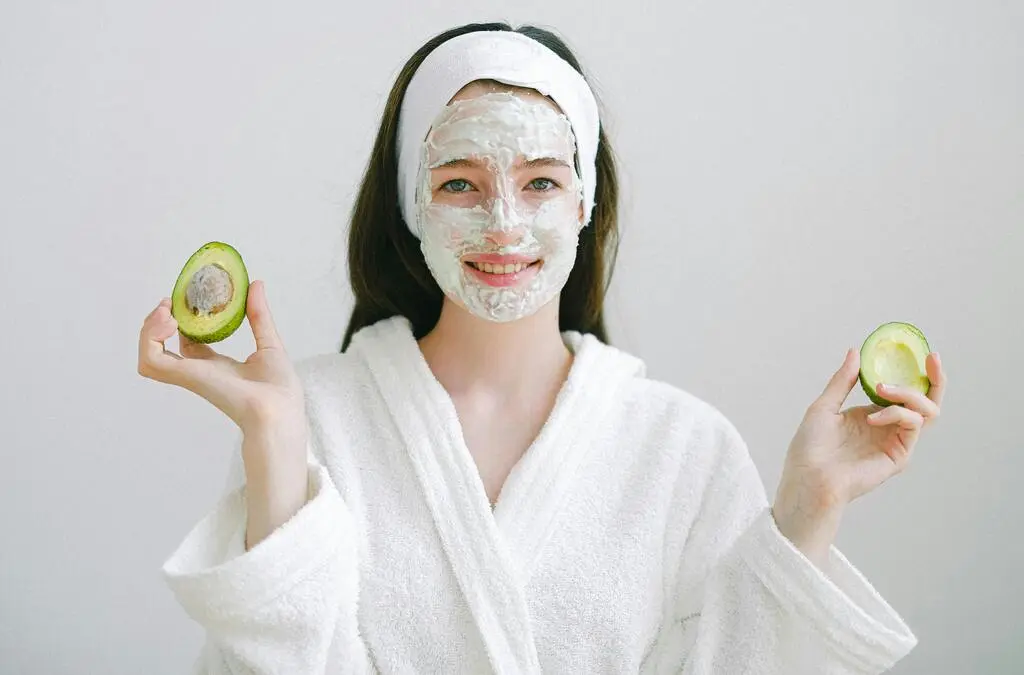
Avocado & Coconut Oil Mask (Deep Hydration)
Rich in healthy fats, this mask deeply nourishes dry skin.
Ingredients
- ½ ripe avocado
- 1 tablespoon coconut oil
How to use
Mash the avocado and mix with coconut oil. Apply for 15–20 minutes, then rinse with lukewarm water.
Aloe Vera & Honey Mask (Soothing & Hydrating)
A soothing option that hydrates and calms irritation.
Ingredients
- 2 tablespoons aloe vera gel
- 1 tablespoon honey
Apply for 15–20 minutes before rinsing.
Gentle Exfoliating Masks for Dull Skin
Exfoliation removes dead skin cells that can make your complexion look tired.
Oatmeal & Yogurt Scrub
Ingredients
- ½ cup finely ground oats
- ¼ cup plain yogurt
Massage gently in circular motions, leave for 10 minutes, then rinse.
Sugar & Lemon Zest Scrub
Brightens while lightly exfoliating.
Ingredients
- 1 tablespoon sugar
- Zest of ½ lemon
- 1 tablespoon olive oil
⚠️ Avoid if you have sensitive skin or open blemishes.
Brightening Masks for Uneven Skin Tone
Turmeric & Yogurt Mask
Turmeric has antioxidant properties that may improve skin appearance.
Ingredients
- 1 tablespoon turmeric powder
- 2 tablespoons plain yogurt
Apply for 10–15 minutes. Rinse carefully to avoid staining.
Banana & Honey Glow Mask
Hydrating and softening.
Ingredients
- 1 ripe banana
- 1 tablespoon honey
Blend and apply for 15 minutes.
Soothing Masks for Sensitive Skin
Cucumber & Aloe Mask
Cooling and calming for irritated skin.
Ingredients
- 1 peeled cucumber
- 2 tablespoons aloe vera gel
Blend and apply for 15 minutes.
Chamomile Oat Mask
Helps reduce redness and discomfort.
Ingredients
- 2 tablespoons cooled chamomile tea
- 1 tablespoon oats
- 1 teaspoon honey
Apply for 15–20 minutes.
How to Prepare Your Skin
For best results:
- Cleanse your face gently
- Remove makeup completely
- Use lukewarm water to open pores
- Pat skin dry before applying
Tips for Safe Application
- Use clean hands or a brush
- Avoid the eye and lip areas
- Do not leave masks on longer than recommended
- Stop use if irritation occurs
After-Mask Skincare Routine
After rinsing:
- Pat skin dry (don’t rub)
- Apply a gentle moisturizer
- Use sunscreen during the day
Skincare results can vary depending on individual skin types and sensitivities. While homemade masks can be a gentle and affordable option, they should complement a balanced skincare routine that includes cleansing, moisturizing, and sun protection. If you have persistent skin concerns, consulting a dermatologist is always recommended.
Final Thoughts
A DIY face mask can be a simple way to care for your skin naturally and affordably. With the right ingredients and proper use, they can help hydrate, soothe, and refresh your complexion.
While DIY masks won’t replace professional skincare, they can be a gentle and affordable way to support healthy skin. Choose ingredients that suit your skin type and always prioritize safety over trends.
Consistency matters more than perfection — even one relaxing skincare session per week can make a difference.
Frequently Asked Questions
How often should I use face masks?
Most masks can be used 1–3 times per week, depending on your skin type.
How do I choose the right mask?
Match ingredients to your skin needs — hydrating for dry skin, soothing for sensitive skin, and exfoliating for dull or oily skin.
Can I store leftover mask?
Fresh masks are best used immediately. If stored in the refrigerator, use within a few days and discard if the smell or texture changes.
Are natural ingredients always safe?
Not always. Ingredients like honey, dairy, nuts, or essential oils can cause reactions. Always do a patch test first.
Common Mistakes to Avoid
Even natural skincare can cause problems if used incorrectly. Avoid these common mistakes to protect your skin and get better results:
Using lemon on sensitive skin
Lemon is acidic and can irritate or even burn sensitive skin. If your skin reacts easily, skip citrus ingredients or use them very carefully.
Over-exfoliating
Using scrubs too often can damage your skin barrier, leading to redness and dryness. Limit exfoliating masks to 1–2 times per week.
Leaving masks on too long
More time doesn’t mean better results. Leaving a mask on longer than recommended can dry out or irritate your skin.
Using ingredients without patch testing
Natural ingredients like honey, yogurt, or essential oils can still cause allergic reactions. Always test on a small area first.
Applying masks on dirty skin
Applying a mask without cleansing first reduces its effectiveness and can trap dirt and oil.
This article is for informational purposes only and does not replace professional medical advice.